How Many Days in Sarajevo? 1, 2 and 3-Day Itineraries
Planning a trip to Sarajevo? Here is how many days you need, with simple 1, 2 and 3-day itineraries covering the Old Town, war history, Olympic Trebević and day trips.

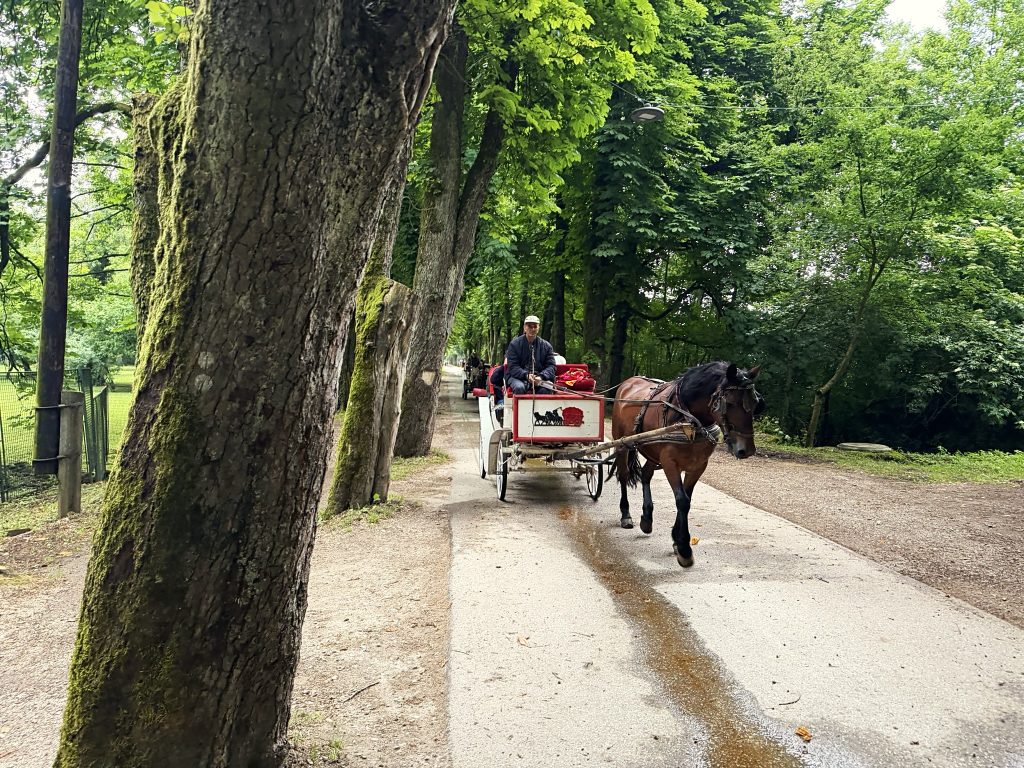
At the foot of Mount Igman, on the western edge of Sarajevo, the river Bosna rises from dozens of cold, clear springs. Around them lies Vrelo Bosne, a park of wooden bridges, small islands, swans and old trees that has been Sarajevo’s favourite escape for well over a century. Getting there is half the fun: you can ride a traditional horse-drawn carriage along Velika Aleja, the long tree-lined avenue the Austro-Hungarians planted in the 1890s. Here is the story of the park and how to plan your visit.
People have used the warm sulphur springs of Ilidža since Roman times, when a settlement called Aquae Sulphurae stood here. The modern resort, however, was built after Austria-Hungary took over Bosnia and Herzegovina in 1878. In 1885 the provincial government took charge of the spa and began to develop it into an elegant European resort, with grand hotels such as the Hungaria, Austria and Bosna, and villas along the new avenue. Ilidža soon attracted guests from across the monarchy and beyond, and much of that Austro-Hungarian architecture still stands today.
The heart of the project was Velika Aleja, the Grand Avenue that links the spa hotels of Ilidža with the springs. It was planted in 1893 with around 3,000 chestnut and plane trees and runs straight for about 3.5 kilometres. Today the avenue is closed to cars, so locals walk, jog and cycle under the trees. It is beautiful in every season: fresh green in spring, cool shade in summer and gold and red in autumn.
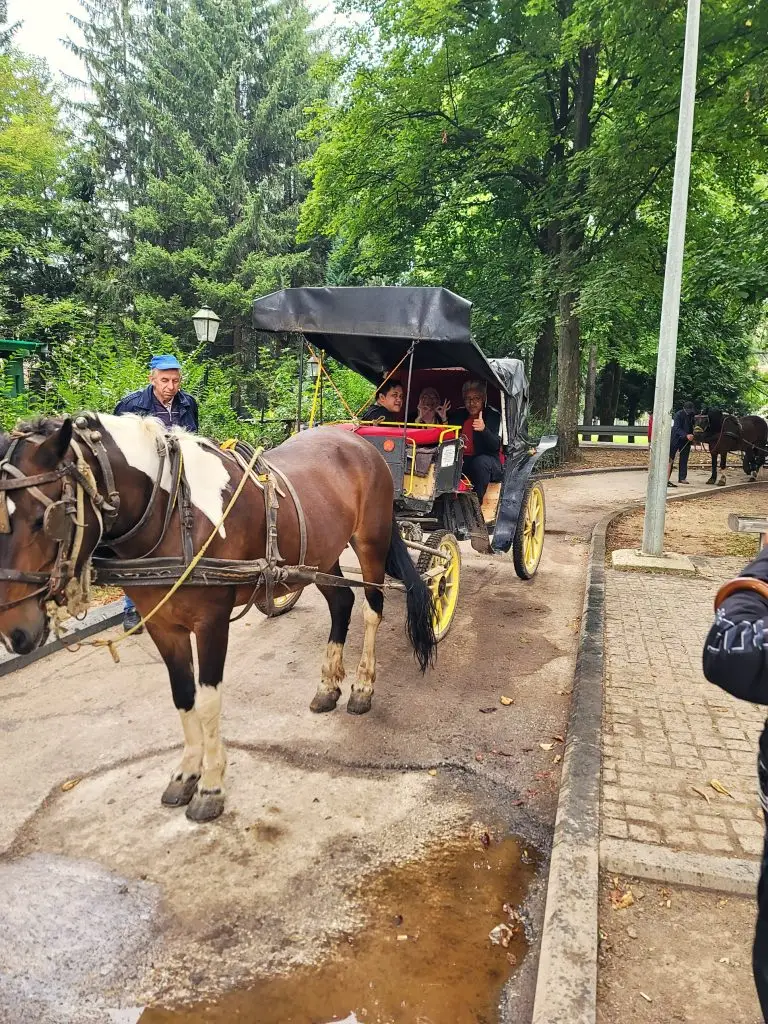
The most charming way to reach the springs is by fijaker, the open horse-drawn carriage that has carried visitors along Velika Aleja for generations. The carriages wait at the Ilidža end of the avenue, and the slow ride under the old trees, with the sound of hooves on the road, feels like a trip back to the days of the Austro-Hungarian resort. It is a favourite with families, couples and anyone who wants to save their legs for a walk around the park.
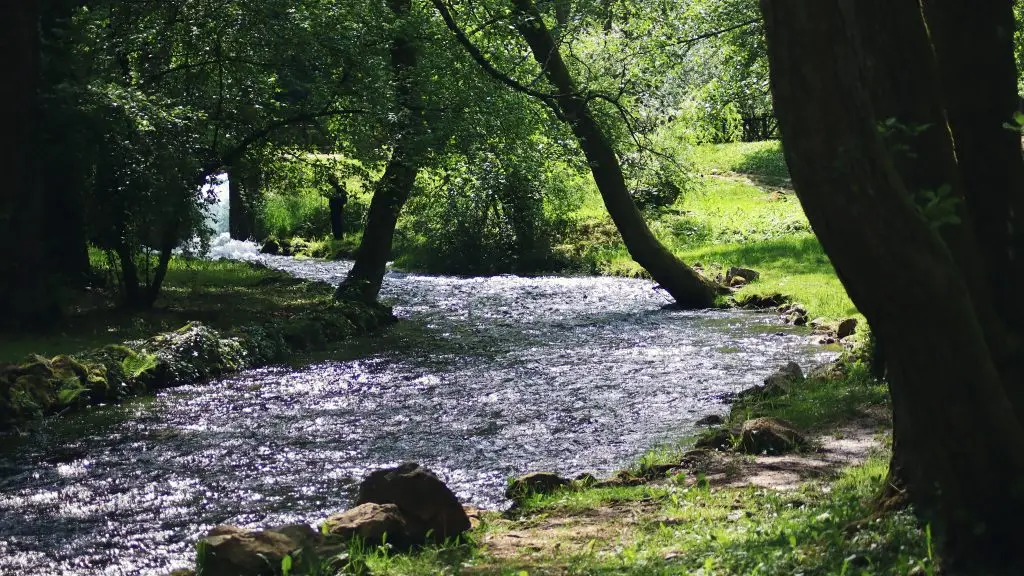
At the end of the avenue the river Bosna appears in a maze of streams, small waterfalls and green islands linked by wooden bridges. The water is cold and crystal clear, and swans and ducks are part of the scenery. The area is protected as a natural monument and is looked after by the Sarajevo Canton institute for protected natural areas, so a small entrance fee is charged to visitors. There are cafés and restaurants inside the park where you can sit by the water, especially popular on weekends.
Not far from the park, at Plandište, stands the Roman Bridge, a stone bridge built in the 16th century using stones from an earlier Roman bridge. It is a short detour if you are interested in the long history of the area.
Vrelo Bosne is part of day 3 of our 10 Days Bosnia Tour Package, together with the Visoko pyramids. You can also add it to a private tour in Sarajevo, for example after the Sarajevo War Tour, as the Tunnel of Hope is close to Ilidža. See all our Sarajevo tours.
How far is Vrelo Bosne from Sarajevo Old Town?
Ilidža is about 12 km from the Old Town, and the springs are at the end of the 3.5 km Velika Aleja. By car it takes about 30 minutes, by tram and carriage a little longer.
Is there an entrance fee?
Yes, a small fee is charged at the entrance to the protected area. It goes towards the upkeep of the park.
Can you drive to the springs?
No. Velika Aleja is closed to cars, so most visitors walk, cycle or take a horse-drawn carriage along it.
Recommended tour
10 days · Sarajevo, Vrelo Bosne, Mostar, Jajce and more · from €1,490 per person
View tourA curated list of the most popular travel packages based on different destinations.

Planning a trip to Sarajevo? Here is how many days you need, with simple 1, 2 and 3-day itineraries covering the Old Town, war history, Olympic Trebević and day trips.

Planning a tailor-made Balkan trip? Our local guide covers the best time to go, how many days you need, classic routes, border crossings, hotels and budget.
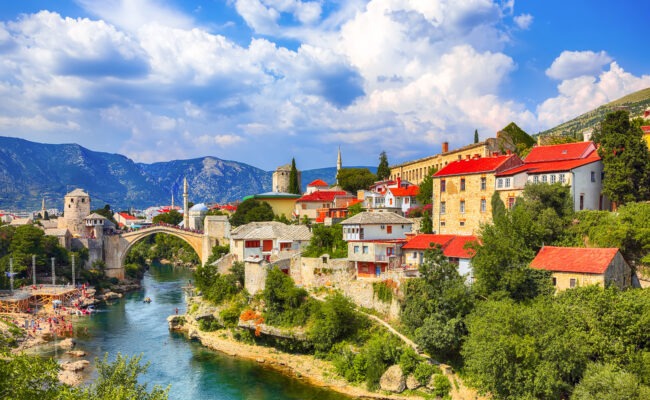
Is Mostar Worth Visiting? Things to Do in Mostar and How to Get There Yes, Mostar is worth visiting. It is the most photographed town in Bosnia and Herzegovina, built around the 16th-century Old Bridge (Stari Most) over the emerald Neretva river. The old town is small, so one full day is enough to see […]

Five classic Balkan routes to travel with a private driver-guide, from Sarajevo to Dubrovnik via Mostar to Kotor, Tirana and Lake Ohrid, with stops and tips.

How Long Was the Siege of Sarajevo? History and Places to See Today The siege of Sarajevo lasted 1,425 days, from 5 April 1992 to 29 February 1996, making it the longest siege of a capital city in modern warfare. Bosnian Serb forces surrounded the city and shelled it from the hills while snipers targeted […]

Is Sarajevo Worth Visiting? 15 Things to Do in Sarajevo Yes, Sarajevo is worth visiting. The capital of Bosnia and Herzegovina packs Ottoman bazaars, Austro-Hungarian streets, the spot where the First World War began, the 1984 Olympic mountains and the moving story of the 1990s siege into one compact, affordable city. The top things to […]

Sarajevo in One Day: 10 Sights and a Walking Route Yes, you can see the highlights of Sarajevo in one day. Spend the morning walking the old town, from the City Hall through Baščaršija, the Gazi Husrev-beg Mosque and the “Meeting of Cultures” line to the Latin Bridge, then use the afternoon for either the […]
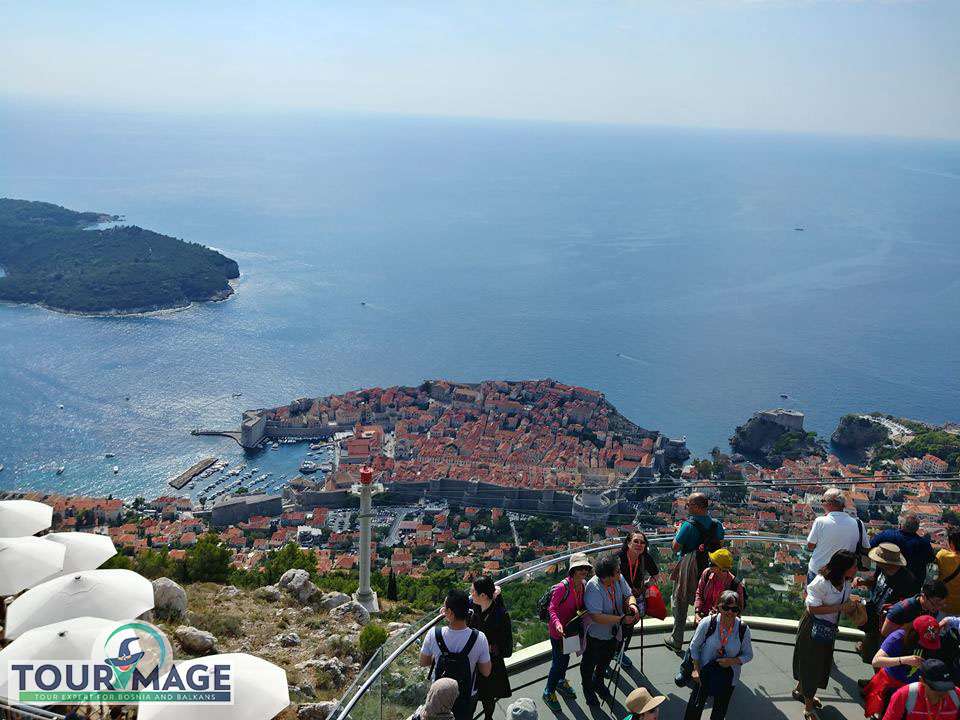
How to travel from Dubrovnik to Sarajevo by bus, car or private driver, the two best routes, and the stops worth making on the way: Mostar, Počitelj, Blagaj and Kravica.