How to Plan a Balkan Trip: A Step-by-Step Guide
Planning a tailor-made Balkan trip? Our local guide covers the best time to go, how many days you need, classic routes, border crossings, hotels and budget.

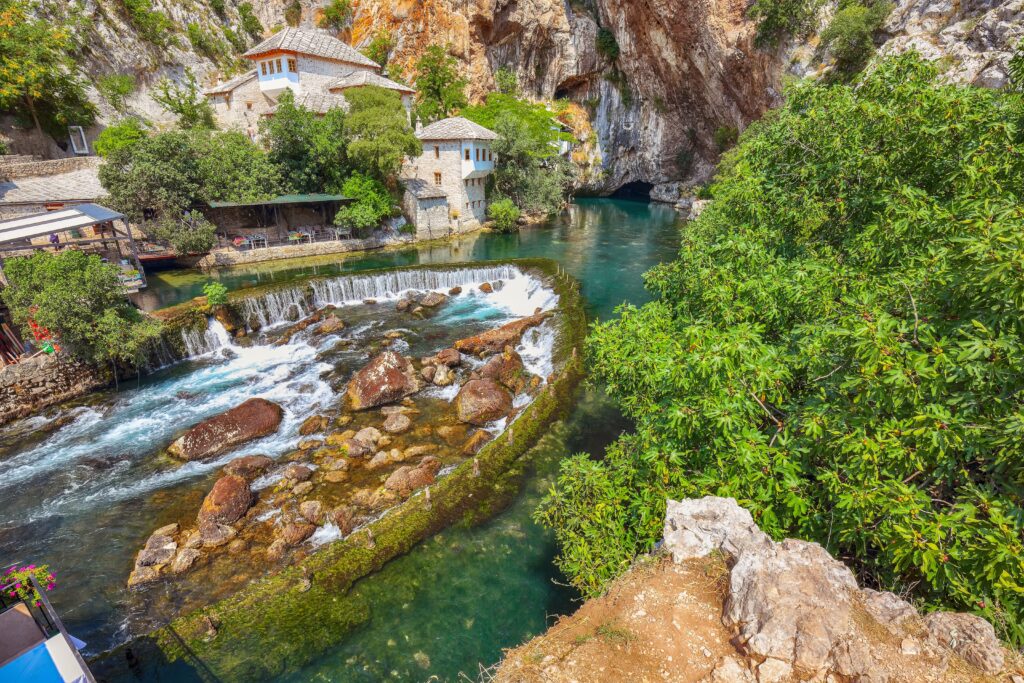
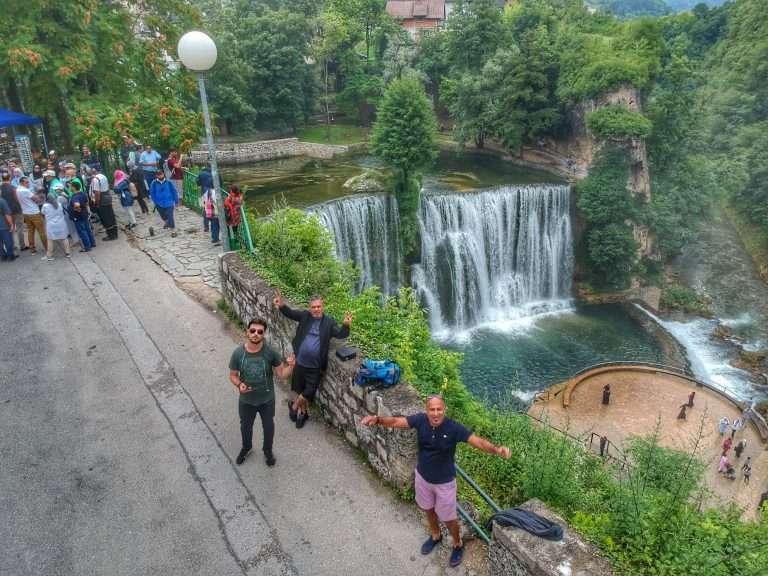
Jajce is a small medieval town in central Bosnia, famous for the Pliva Waterfall that drops right in the town centre into the Vrbas river. It was the last royal seat of the medieval Kingdom of Bosnia, so above the waterfall you find a hilltop fortress, royal catacombs carved into the rock and old stone towers. Just outside town are the Pliva Lakes with their wooden watermills. Jajce is about 160 km from Sarajevo, and half a day is enough to see the main sights.
Key facts
Two things make Jajce special: a waterfall in the middle of a town, and the history of the Bosnian kings. In the 15th century Jajce was the seat of the last kings of medieval Bosnia, and the Ottomans captured it in 1463. Centuries later, in November 1943, the second session of AVNOJ was held here, the meeting that laid the foundations of post-war Yugoslavia. Jajce is also on Bosnia and Herzegovina’s tentative list for UNESCO World Heritage.
The Pliva drops roughly 20 metres into the Vrbas right below the old town. The classic view is from the viewpoint across the river, and a path with steps takes you down close to the base of the falls (there is a small entrance fee). In spring, when the water is high, the spray reaches the platform.
The fortress walls crown the hill above the town, with the Bosnian royal coat of arms still visible above the main gate. It is a short, steep walk up through the old streets, past the Bear Tower and the ruins of St. Mary’s Church with the St. Luke bell tower. From the top you see the whole town, the river valleys and the surrounding hills.
Carved into the rock below the fortress around the turn of the 15th century, the Catacombs were built as a family tomb for the Bosnian nobleman Hrvoje Vukčić Hrvatinić. Inside are a small underground church and chambers with carved symbols of the sun, moon and cross. It is one of the most unusual medieval monuments in the Balkans.
A few kilometres upstream, the Great and Small Pliva Lakes are connected by a stretch of river lined with around twenty small wooden watermills, known as Mlinčići. The lakeside path is flat and easy, you can rent a rowing boat in summer, and the area is a favourite picnic spot for locals.
The AVNOJ Museum is in the hall where the 1943 session took place. Near the town centre you can also see the remains of a Roman-era temple of the god Mithras, with a relief carved in stone.
Jajce is about 160 km north-west of Sarajevo, around two and a half to three hours by car or bus. The road passes Travnik, the old Ottoman capital of Bosnia, so the two towns are usually seen together on one day. On our Travnik and Jajce tour from Sarajevo you visit Travnik’s old town and fortress, the Pliva Waterfall, Jajce Fortress and the Pliva Lakes with a local guide and hotel pickup.
Day trip from Sarajevo
Medieval Bosnia: Travnik and Jajce Tour
10 hours · Travnik, Pliva Waterfall, Jajce Fortress, Pliva Lakes · from €85
View tourJajce is also a stop on our 10 Days Bosnia Tour Package; see the 10-day Bosnia itinerary for how it fits into a longer trip.
Yes. Few places in Europe have a waterfall in the town centre, and Jajce adds a royal fortress, catacombs and the Pliva Lakes, all within a short walk or drive. It is one of the best day trips from Sarajevo.
Three to four hours covers the waterfall, the fortress, the catacombs and a walk at the watermills. Combined with Travnik, it makes a full day.
Swimming below the waterfall is not allowed, but in summer locals swim and boat on the Pliva Lakes.
Spring has the most water in the falls, and autumn has beautiful colours around the lakes. Summer is pleasant for the lakes, and winter is quiet, sometimes with snow on the fortress.
Longer trip? Jajce is included in our Bosnia tour packages from 4 to 10 days.
A curated list of the most popular travel packages based on different destinations.

Planning a tailor-made Balkan trip? Our local guide covers the best time to go, how many days you need, classic routes, border crossings, hotels and budget.
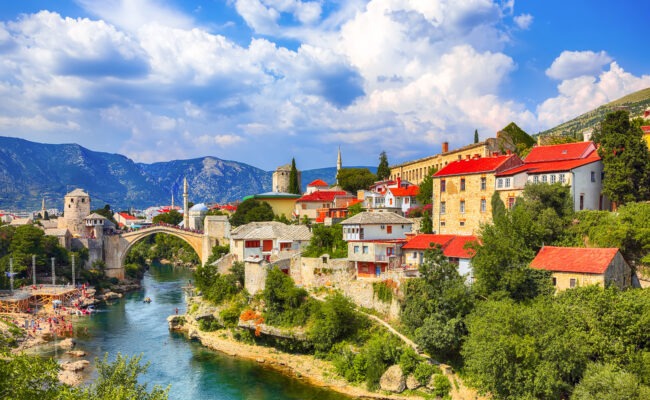
Is Mostar Worth Visiting? Things to Do in Mostar and How to Get There Yes, Mostar is worth visiting. It is the most photographed town in Bosnia and Herzegovina, built around the 16th-century Old Bridge (Stari Most) over the emerald Neretva river. The old town is small, so one full day is enough to see […]
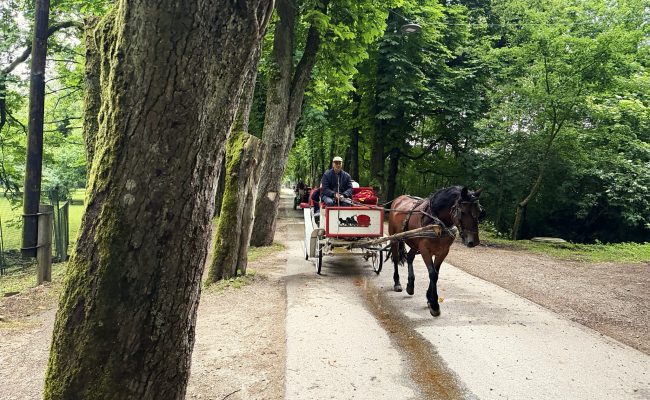
The story of Vrelo Bosne and Ilidža under Austria-Hungary, the 3.5 km Velika Aleja, traditional horse-drawn carriages and tips for visiting the springs of the river Bosna.

Planning a trip to Sarajevo? Here is how many days you need, with simple 1, 2 and 3-day itineraries covering the Old Town, war history, Olympic Trebević and day trips.

Sarajevo in One Day: 10 Sights and a Walking Route Yes, you can see the highlights of Sarajevo in one day. Spend the morning walking the old town, from the City Hall through Baščaršija, the Gazi Husrev-beg Mosque and the “Meeting of Cultures” line to the Latin Bridge, then use the afternoon for either the […]

A relaxed 10-day Balkan itinerary for families with kids: Sarajevo, Mostar, Kravica, Dubrovnik and the Bay of Kotor, with short drives and family tips.

Best Day Trips from Sarajevo: 7 Places Worth the Drive The best day trips from Sarajevo are Mostar and Herzegovina (Old Bridge, Blagaj, Počitelj, Kravica Waterfalls) and Travnik with Jajce (Ottoman town, royal fortress, Pliva Waterfall). Both are about two and a half hours away and take a full day. Closer to the city you […]
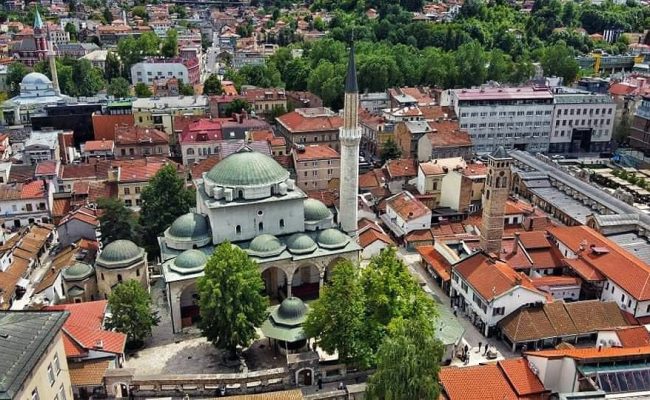
Halal food, mosques, prayer and Ramadan: a practical Muslim-friendly travel guide to Bosnia and Herzegovina, Albania, North Macedonia, Montenegro and Croatia.